

Civil LAW
Take a deep dive into Indonesia's
All information is based from December 16, 2025

CIVIL LAW, OR KNOWN AS HUKUM PERDATA


is the Kitab Undang-Undang Hukum Perdata or KUHPerdata is a type of law that regulates private relationships, family matters, and contracts. It protects individual rights and interests such as inheritance, property, family, and personal rights law.
Originates from the Dutch Colonial Era (Burgerlijik Wetboek/ BW) that was implemented in 1848 and derived from Roman civil law through the French Napoleonic Code
After Indonesia’s independence, the 1945 Constitution still utilized Dutch-era laws, including the Civil code.
Over time, many provisions in KUHPerdata were replaced or regulated separately by new laws, however still has a lot of similarities with the Dutch Colonial Era and seeks to find more modernization and advancements until today.
Indonesian Rule of Law (Asas Negara Hukum Indonesia):
Principles of democracy, family values, balance, equality before the law, etc.
The Principle of Familyhood (Asas Kekeluargaan):
Efforts for reconciliation is important in the civil procedure law system, where it helps to maintain the balance of relationships between the government and the public.
Principle of Equality Before the Law:
All individuals have equal legal standing and protection in civil matters, regardless of social or economic status.
Principle of Legal Certainty (Asas Kepastian Hukum):
Civil law provides clear rules so individuals can predict legal consequences of their actions, especially in contracts and property relations.
Principle of Responsibility (Asas Tanggung Jawab)
Anyone who causes loss or harm to another person must compensate for the damage (Article 1365 KUHPerdata – unlawful acts / perbuatan melawan hukum).
And many more principles that can be explored in the Further Readings section!


background/historical overview
key principles


The Civil Code (KUHPerdata) is essential for Indonesian youth as it discusses more than just pages of articles and inherited law, however it also focuses on aspects such as online interactions, relationships, and making independent decisions about money.
relevance to the youth
1. Lending Money
key areas where Indonesian civil law connects to modern youth:


Have you ever lent a friend cash or spotted them for a bill? The civil code can instantly turn that casual agreement into a binding legal contract. In Article 1320 of the KUHPerdata, the law recognizes that verbal agreements are legally valid, where if the other party breaches the contract, then legal action is allowed for breach of contract. However, proof within this situation matters as there must be supporting evidence, such as transfer receipts, chat screenshots, and more.
2. Digital World
In the digital world, such as social media and technology, the civil code steps in and provides a pathway for digital laws such as the Undang Undang Informasi dan Transaksi Elektronik (UU ITE) or the Electronic Information and Transaction Law (ITE Law). The ITE Law discovers through a variety of laws, such as the transaction of electronic information containing defamation, hoax, hate based on SARA, or various forms of immorality.
Online defamation: Digital slander and insult, which is within Article 27A UU 1/2024
Hoax: Spreading false and misleading information splits into 2 main prohibitions: Article 45 (1) and Article 45A (3) that discovers misleading news that causes losses to transactions, or hoax intended to incite hostility among individuals based on their ethnicity, religion, race, etc.
3. Adulthood and Financial Control
The Civil Code states that when you gain full legal independence, an individual can perform major legal acts without needing a parent or guardian.
Age: The KUHPerdata defines adulthood as 21 years old, where you will gain full legal capacity to sign major contracts, manage inherited assets, or enter business agreements entirely on your own. This is dictated in Article 330 where when individuals reach 21 years old, they will have the authority to exercise their rights and fulfill their obligations with the law.
Responsibility for family members: In Article 321 of the KUH Perdata, it states that adult children must provide financial support for their families which show the legal basis for reciprocal family care that goes beyond societal expectation.


Civil Law Cases in Indonesia
This section presents a list of civil law case examples involving youth in Indonesia to illustrate how legal provisions are applied in practice.


Online Shopping Dispute: Tokopedia Seller Refuses Refund (2024)
A buyer filed a civil lawsuit after a Tokopedia seller failed to deliver the purchased item and refused to issue a refund. The consumer argued a breach of electronic contract under KUHPerdata Article 1320 (valid agreements) and UU ITE on e-transactions. At the end, the court ordered the seller to refund the payment and pay additional compensation.


Debt and Verbal Loan Agreement
A man in Surabaya sued his friend after lending money informally through WhatsApp messages and bank transfers. The debtor refused to pay, claiming that there was no written contract. However, the court ruled that digital messages and transfer proof were valid due to Article 1320 of KUHPerdata that it is valid due to consensual agreements.
Further Readings
KUHPerdata (Indonesian Civil Code – Burgerlijk Wetboek)
UU 1 Tahun 2024 – Latest Revisions to Civil Procedures & Electronic Transactions
Supreme Court legal product page for KUHPerdata:
The Development of Indonesian Civil Law (PDF):
Kitab Undang-Undang Hukum Perdata (1847 original, English/Indonesian/Dutch; details civil registry, individual rights, inheritance):
Works Cited
“Enterprise Grade Digital Signature Suite for Large Global Enterprises.” Certinal | Digital Signature Solution | Digital Document Signing, 26 Mar. 2025, www.certinal.com/esignature-legality/indonesia.
BPK RI. “UU No. 1 Tahun 2024.” Database Peraturan | JDIH BPK, peraturan.bpk.go.id/Details/274494/uu-no-1-tahun-2024.
Kirana. “Terms of Validity of an Agreement per Article 1320 Civil Code.” Kontrak Hukum, 12 Oct. 2024, kontrakhukum.com/en/article/terms-of-validity-of-agreement-based-on-article-1320-of-the-civil-code/.
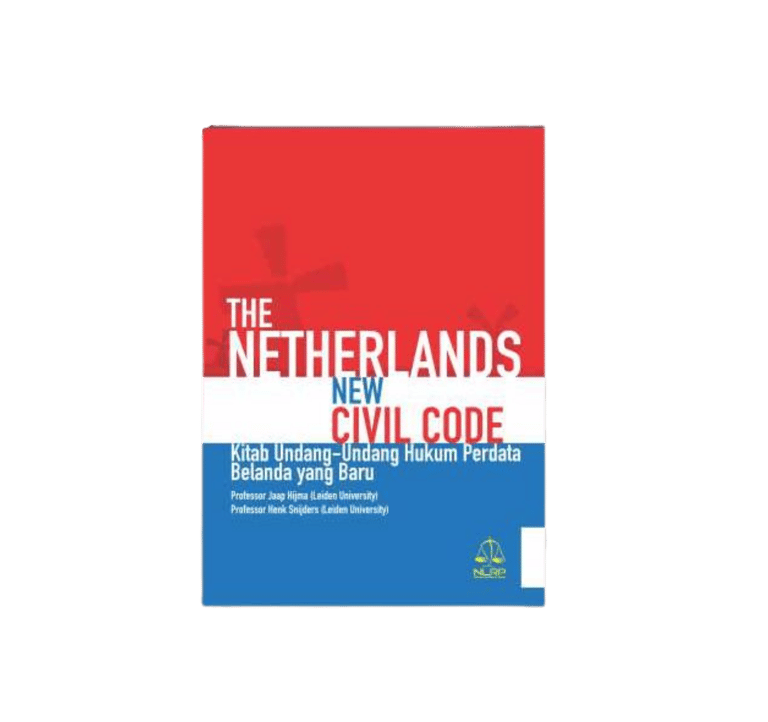
laksbang admin. “THE NETHERLANDS NEW CIVIL CODE.” Laksbangakademika.com, 22 Oct. 2024, laksbangakademika.com/the-netherlands-new-civil-code/. Accessed 29 Dec. 2025.
Law, ADCO. “Civil Law in Indonesia.” ADCO Law, 10 Oct. 2023, adcolaw.com/blog/civil-law-in-indonesia/.
Soerodjo, Irawan. “The Development of Indonesian Civil Law.” Scientific Research Journal (SCIRJ), vol. IV, 2016, p. 30, www.scirj.org/papers-0916/scirj-P0916357.pdf.
“Undang-Undang Nomor 11 Tahun 2008.” Komdigi.go.id, 2016, jdih.komdigi.go.id/produk_hukum/view/id/167/t/undangundang+nomor+11+tahun+2008.
Image Credits
laksbang admin. “THE NETHERLANDS NEW CIVIL CODE.” Laksbangakademika.com, 22 Oct. 2024, laksbangakademika.com/the-netherlands-new-civil-code/. Accessed 29 Dec. 2025.